St. Judes believes every child has the right to fulfil their aspirations, and we promise that ‘Once a St. Judes child is always a St. Judes child’.
With this vision, the vertical St. Judes for Life was established in memory of Mrs. Rani Vicaji in November 2020 to ensure that our alumni, now
cancer survivors fondly referred to as Judians, can fulfil their potential.
Children are termed survivors after they have completed five years from the date of diagnosis and have recovered after treatment. However,
after their recovery, they may face new challenges as they try to become self-reliant and independent. St. Judes for Life aims to facilitate their
reintegration into society by offering educational opportunities, skill development, and employment avenues. Currently, nearly 2,000
Judians are associated with the initiative.
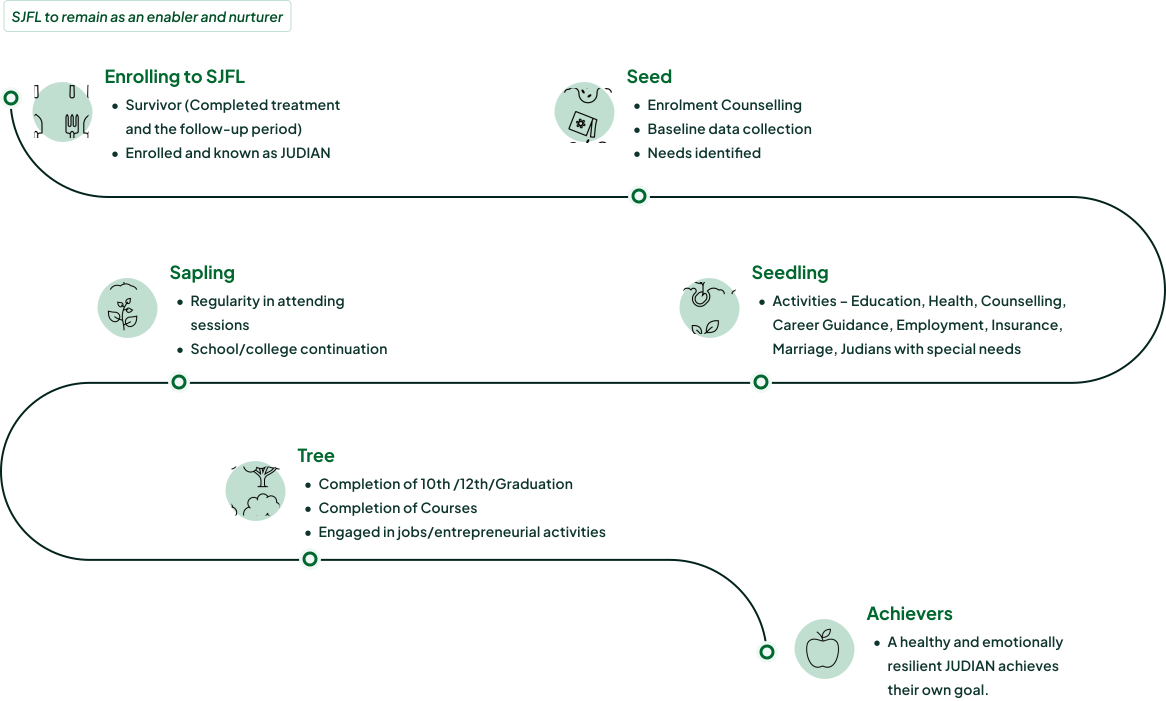
From the time they enrol, St. Judes for Life provides support, mentorship, and opportunities to Judians to help them become empowered and independent.


In partnership with YUVA, St. Judes for Life provides three-day residential camps for Judians over 18 years old. These camps focus on building awareness of youth’s identity, understanding their potential, role in society, personal space, leadership development, conflict management, and financial literacy.

A cohort of Judian representatives selected as Ambassadors form a Judian support organisation. Presently, seven Ambassadors are actively engaged in focused-group sessions.

St. Judes for Life has partnered with leading vocational training and skill-building organizations across industries like hospitality, healthcare, banking, and technical trades to equip Judians with practical, job-ready skills.